
Explore our boiler blog for expert insights, industry updates, and valuable tips on boiler maintenance, efficiency, and more.

Explore our boiler blog for expert insights, industry updates, and valuable tips on boiler maintenance, efficiency, and more.
A practical buyer’s guide to the most efficient oil-fired boilers in 2025 — features, efficiency metrics, comparisons, installation and maintenance advice to help you choose the right system.
Oil-fired boilers remain a reliable heating solution for many homes and commercial buildings. In 2025, manufacturers continue improving fuel efficiency, lowering emissions and adding smart controls. This guide outlines what to look for in a high-efficiency oil boiler and highlights top features and selection tips.

An oil-fired boiler burns heating oil to heat water or generate steam. The heated water circulates through radiators, underfloor systems or hot-water storage to deliver heat. Modern units use improved burners and heat exchangers to increase fuel-to-heat conversion.
Understanding efficiency drivers helps you pick a model that lowers fuel bills and reduces emissions.
AFUE indicates the percentage of fuel converted to usable heat. In 2025:
Condensing boilers capture latent heat from exhaust gases and return it to the system — a major efficiency gain if your system design allows cooler return temperatures.
Modulating and two-stage burners provide finer control over heat output, reducing cycling losses and improving comfort.
Stainless steel exchangers resist corrosion and are common in high-efficiency units; cast iron offers thermal mass and longevity for simpler models.
Smart thermostats, outdoor reset and proper commissioning are essential — even the best boiler will underperform if installed poorly.
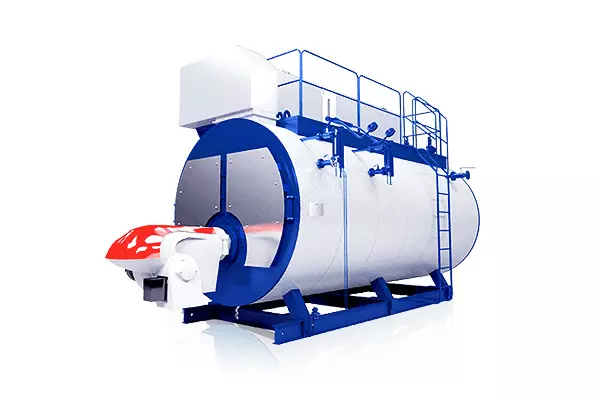
The models below represent the types of top-rated boilers commonly recommended by HVAC experts in 2025. Specific brand/model availability varies by region — treat these as feature templates to compare local offerings.
| Type | AFUE | Burner | Heat Exchanger | Best For |
|---|---|---|---|---|
| Standard Oil Boiler | 85–87% | Single-stage | Cast iron | Budget buyers |
| Condensing Oil Boiler | 90–93%+ | Modulating | Stainless steel | Max efficiency |
| High-Capacity Unit | 86–90% | Two-stage | Cast iron / stainless | Large homes/commercial |
| Combi Oil Boiler | 85–91% | Modulating / two-stage | Stainless / composite | Small-to-medium homes |
Professional installation and yearly service are crucial. Key points:

Typical ranges (2025, approximate):
Consider lifecycle cost: higher upfront cost for condensing models often pays back through fuel savings.
While electrification and heat pumps are growing, oil boilers remain relevant where natural gas is unavailable. Cleaner options (low-sulfur fuels, Bioheat blends) and condensing technology reduce environmental impact. Hybrid systems (oil + heat pump) can also lower carbon footprint while maintaining reliable heat in cold climates.
In 2025, top rated oil-fired boilers combine improved combustion, condensing technology and smarter controls to deliver better efficiency and lower emissions. Choosing the right model depends on your home's size, hot-water needs, local fuel situation and budget. Investing in a high-efficiency oil boiler and professional installation will yield lower fuel bills, more comfort, and reliable heating for years to come.

We have more than 20 years of experience in boiler system equipment research and development and manufacturing. And committed to designing and producing boilers that suit your needs, including fire-tube, water-tube, and steam boilers, while also staying up-to-date with the latest technological boiler.
Get in touch
Copyright © Zhengzhou Dabonn Energy Co., Ltd


