
Explore our boiler blog for expert insights, industry updates, and valuable tips on boiler maintenance, efficiency, and more.

Explore our boiler blog for expert insights, industry updates, and valuable tips on boiler maintenance, efficiency, and more.
A high efficiency steam boiler is an advanced industrial heating system designed to maximize fuel utilization while minimizing energy loss. Compared with traditional boilers, it delivers higher thermal efficiency, lower operating cost, and reduced emissions—making it the preferred choice for modern industries such as power generation, textiles, food processing, and chemical production.
A high efficiency steam boiler is a type of industrial boiler that converts water into steam using significantly less fuel input per unit of output steam. Typical efficiency levels can reach 88%–98%, depending on design, fuel type, and heat recovery system.
Key improvement comes from:
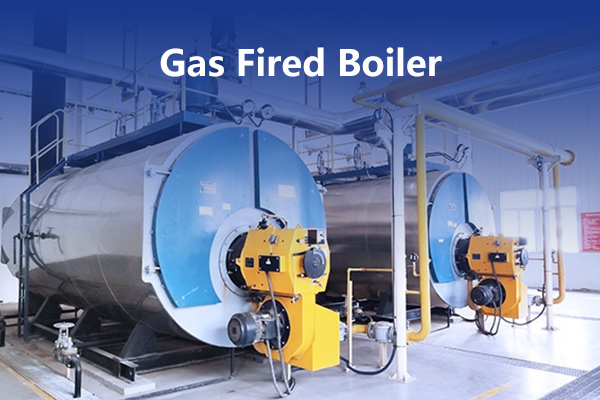
The boiler works by burning fuel (gas, oil, biomass, or coal) in a combustion chamber. The heat generated is transferred through a heat exchanger to water, producing steam.
Modern high efficiency systems improve this process by recovering waste heat from flue gases and reusing it to preheat feedwater.
| Feature | Traditional Boiler | High Efficiency Steam Boiler |
|---|---|---|
| Thermal Efficiency | 70%–82% | 88%–98% |
| Fuel Consumption | High | Reduced by 10%–30% |
| Emission Level | Higher CO₂ | Lower emissions |
| Operating Cost | Higher | Lower long-term cost |
Widely used in industrial plants due to clean combustion and stable efficiency. Ideal for food, textile, and pharmaceutical industries.
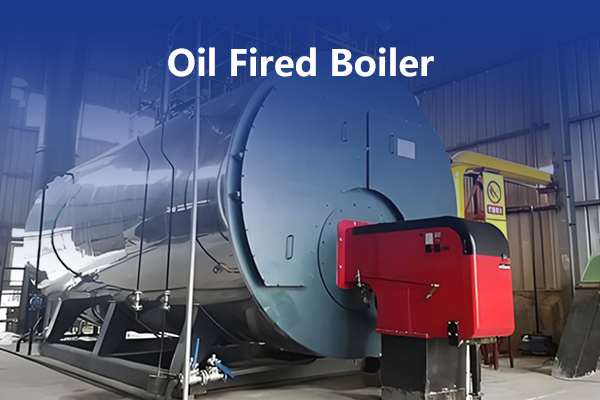
Suitable for regions without natural gas supply. Offers stable operation and good thermal output.
Uses renewable fuels such as wood chips, pellets, or agricultural waste. Lower fuel cost and eco-friendly.
Recovers latent heat from flue gas vapor, achieving the highest efficiency levels in modern boiler systems.
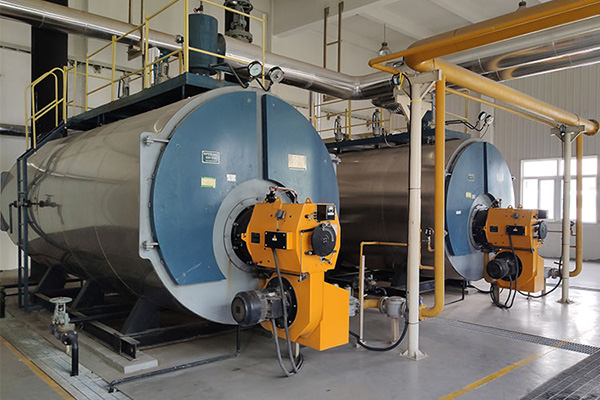
High efficiency steam boilers are widely used in:
Before purchasing, consider the following factors:
For example, industries with continuous production should prioritize gas-fired condensing boilers for maximum efficiency and automation.
The cost varies depending on capacity and configuration:
Although initial investment is higher, fuel savings typically allow ROI within 1–3 years.
As a professional industrial boiler manufacturer, Dabonn Energy provides customized high efficiency steam boiler solutions for global clients.
Most modern high efficiency steam boilers achieve 88%–98% thermal efficiency depending on design and fuel type.
Yes. Although initial cost is higher, fuel savings and lower maintenance cost provide fast return on investment.
Natural gas and condensing systems typically offer the highest efficiency and lowest emissions.
With proper maintenance, industrial steam boilers can last 15–25 years.
A high efficiency steam boiler is a critical investment for industries seeking lower energy costs, stable steam supply, and compliance with environmental standards. Choosing the right system can significantly improve operational performance and long-term profitability.
Looking for a customized solution?
Contact Dabonn Energy today to get a tailored high efficiency steam boiler solution for your industry. WhatsApp: +86 13838529852

We have more than 20 years of experience in boiler system equipment research and development and manufacturing. And committed to designing and producing boilers that suit your needs, including fire-tube, water-tube, and steam boilers, while also staying up-to-date with the latest technological boiler.
Get in touch
Copyright © Zhengzhou Dabonn Energy Co., Ltd


