
Explore our boiler blog for expert insights, industry updates, and valuable tips on boiler maintenance, efficiency, and more.

Explore our boiler blog for expert insights, industry updates, and valuable tips on boiler maintenance, efficiency, and more.
As the world transitions toward renewable and low-carbon energy solutions, biomass heating systems have become an increasingly popular choice for both residential and industrial users. They offer a sustainable alternative to fossil fuel heating, reducing carbon emissions while maintaining high energy efficiency. This guide explains how a biomass heating system works, its benefits, costs, and efficiency to help you decide if it’s the right choice for your home or business.
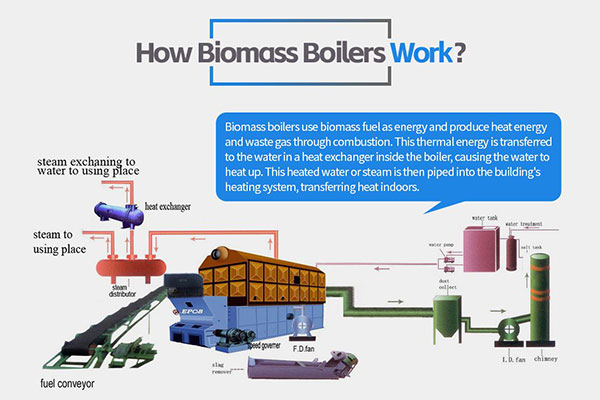
A biomass heating system uses organic materials—such as wood pellets, chips, or agricultural residues—to produce heat for space heating or hot water. It operates on the same principle as conventional boilers, but the key difference lies in the fuel source. Instead of burning gas or oil, it burns biomass fuel that is renewable and carbon-neutral. These systems can be scaled from small domestic stoves to large industrial boilers supplying heat to entire facilities or districts.
There are several types of biomass systems, each suited to different applications:
Each system type varies in cost, capacity, and fuel requirements, making it essential to match the technology to your heating demand.
Understanding how biomass systems operate helps ensure proper design and operation for maximum efficiency. Here’s a simplified step-by-step process:
Modern systems can achieve combustion efficiencies above 90%, similar to or even exceeding fossil-fuel-based systems.
The choice of biomass fuel affects both cost and performance. Common options include:
Choosing the right fuel depends on local availability, storage space, and heating requirements. Regular supply is key to ensuring consistent system performance.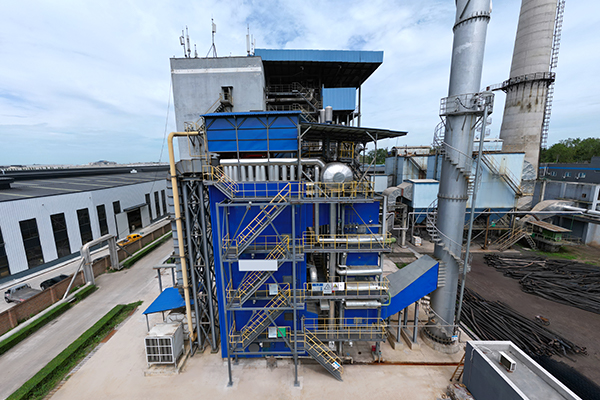
These advantages make biomass an attractive option for both environmental and economic reasons.
The total cost of installing a biomass heating system varies depending on scale and technology:
For example, replacing an oil-fired boiler with a pellet system could reduce annual heating bills by 30–40%, depending on local fuel prices and efficiency gains.
Several factors influence the performance of biomass heating systems:
Modern automated biomass boilers can reach efficiency levels of 85–95%, making them competitive with gas systems when properly maintained.
To ensure long-term reliability and safety, biomass heating systems require regular care:
Following these best practices minimizes downtime, extends system life, and keeps operating costs low.
When sourced responsibly, biomass heating is one of the most sustainable energy options available. It reduces greenhouse gas emissions, supports forest management, and utilizes agricultural waste that might otherwise decompose and release methane. However, sustainability depends on ensuring fuel is locally sourced, renewable, and certified to avoid deforestation or supply-chain emissions.
Biomass heating is ideal for properties with high heat demand, access to fuel storage space, and consistent fuel supply. It’s particularly cost-effective for farms, schools, factories, and rural homes. Before installation, assess local biomass availability, installation space, and potential government incentives to maximize financial benefits.
Biomass heating systems offer an efficient, renewable, and eco-friendly alternative to fossil fuels. By understanding how a biomass heating system works—from fuel combustion to heat distribution—you can make an informed decision that benefits both your wallet and the planet. With proper design, fuel management, and maintenance, biomass systems can deliver reliable, low-carbon heating for years to come.

We have more than 20 years of experience in boiler system equipment research and development and manufacturing. And committed to designing and producing boilers that suit your needs, including fire-tube, water-tube, and steam boilers, while also staying up-to-date with the latest technological boiler.
Get in touch
Copyright © Zhengzhou Dabonn Energy Co., Ltd


