
Explore our boiler blog for expert insights, industry updates, and valuable tips on boiler maintenance, efficiency, and more.

Explore our boiler blog for expert insights, industry updates, and valuable tips on boiler maintenance, efficiency, and more.
If you're searching for "2 ton steam boiler price" you likely already know that a steam boiler is a significant investment for any industrial or manufacturing operation. However, the initial "sticker price" you see online is just the starting point. The final cost of a 2-ton steam boiler is influenced by a complex mix of factors including boiler type, fuel source, manufacturing standards, and add-on features. Understanding these variables is crucial to making a cost-effective and reliable purchase that meets your specific steam output and pressure requirements.
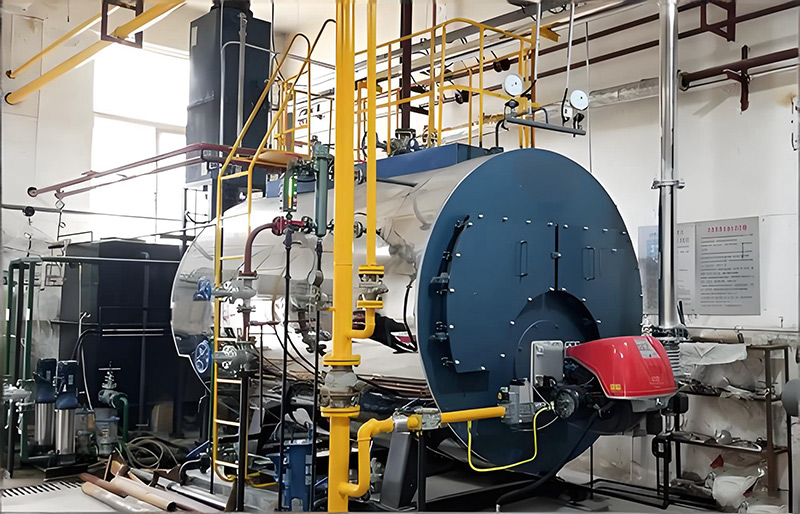
This comprehensive guide will break down the key components that determine the price, provide a realistic price range, and offer practical advice for selecting the right supplier.
First, let's clarify the term "2-ton." In the boiler industry, "ton" often refers to evaporation capacity. A 2-ton steam boiler typically means it can produce 2 tons (or 4,000 lbs) of steam per hour. This is equivalent to approximately 6,000 kilowatts (kW) or 20.5 million BTU/hour. Boilers in this capacity range are commonly used in industries like food processing, chemical manufacturing, textile plants, paper mills, and hospitals.
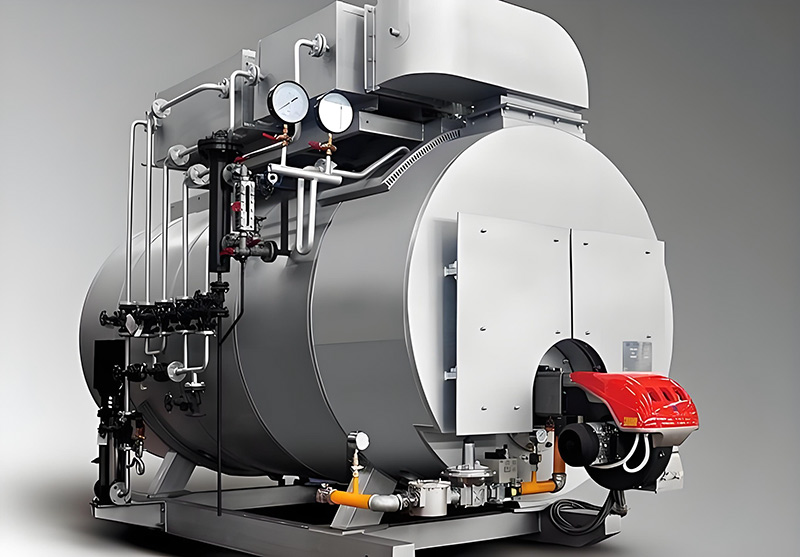
The price for a 2-ton steam boiler can range anywhere from $15,000 to over $50,000. Why such a wide range? Here are the primary factors:
The core design is the biggest price driver.
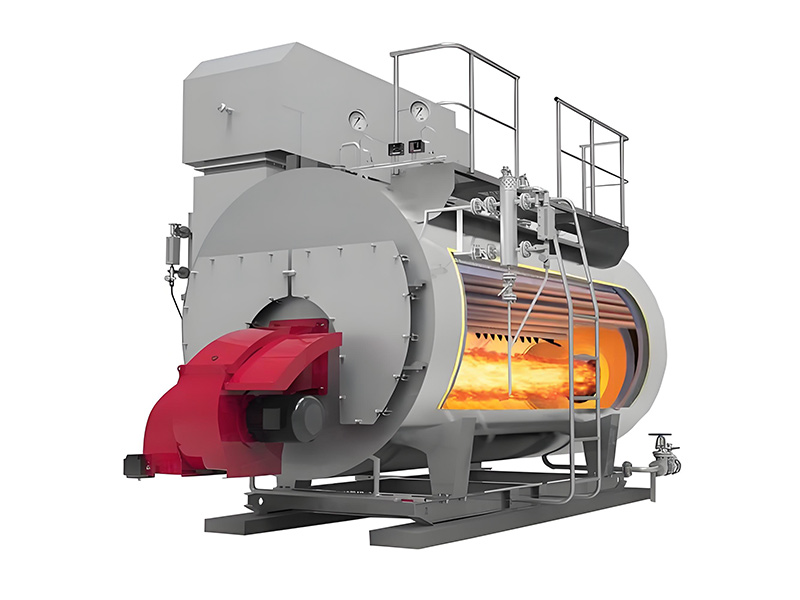
Fire-Tube Boilers: Generally more affordable upfront, compact, and suitable for lower pressure applications. A standard 2-ton fire-tube boiler is often on the lower end of the price spectrum.
Water-Tube Boilers: More expensive due to a more complex design. They offer higher efficiency, faster steam generation, and are better for high-pressure applications, justifying the higher initial 2-ton steam boiler price.
The fuel your boiler burns directly impacts both equipment cost and long-term operating expenses.
Gas/Oil-Fired Boilers: Most common. Natural gas models are popular for their clean operation and lower fuel costs in many regions. The burner technology (low-NOx, fully modulating) can add to the cost.
Electric Boilers: Have a simpler design with no need for fuel storage or exhaust systems, which can lower initial installation costs. However, their operational cost is entirely dependent on local electricity rates, which can be high.
Biomass/Solid Fuel Boilers: May have a higher initial equipment price due to more robust feeding and ash-handling systems but can offer very low fuel costs if biomass is readily available.
A boiler designed for 10 bar (150 psi) will be less expensive than one built for 25 bar (360 psi). Higher pressure and temperature requirements demand thicker steel, more rigorous engineering, and specialized components, all increasing the 2-ton industrial boiler price.
International Brands vs. Local Manufacturers: Well-known European or American brands often command a premium due to perceived quality, advanced R&D, and global service networks. Quality manufacturers from Asia can offer very competitive pricing.
Standards Compliance: Boilers built to ASME (American) or PED (European) standards undergo strict quality control and certification processes, which adds cost but ensures safety and global acceptability. Other standards like GB (Chinese) may offer cost savings but require verification for your local regulations.
Don't underestimate the cost difference components make:
Burner: A standard burner vs. a high-efficiency, low-emission model can change the price significantly.
Control System: A basic panel vs. a full PLC-based touchscreen control with remote monitoring capabilities.
Heat Exchanger Material: Standard carbon steel vs. stainless steel for certain parts (more corrosion-resistant).
Pumps & Valves: The quality and brand of these ancillary parts affect reliability and price.
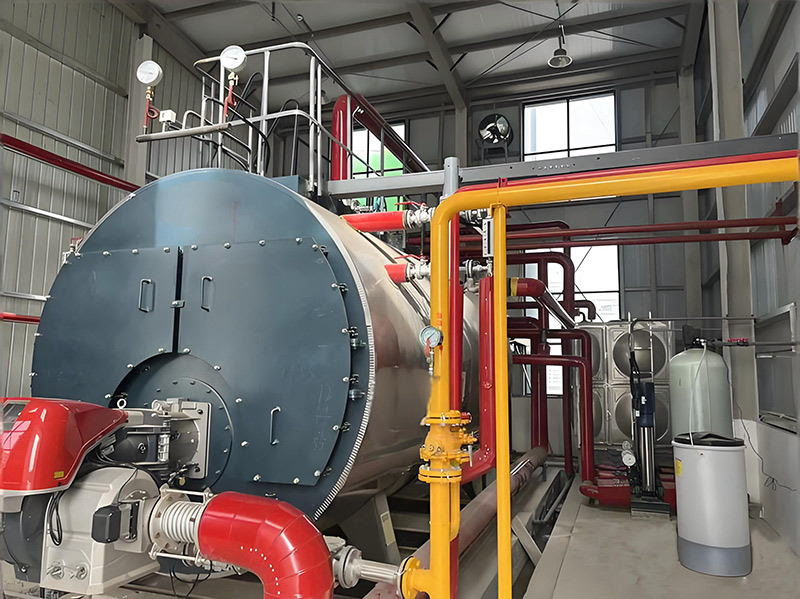
Investing in advanced features can raise the initial price but lower the total cost of ownership.
Full Automatic Controls: Automated feeding, ignition, and monitoring.
Condensing Technology: Captures latent heat from exhaust, dramatically improving efficiency (often >95%).
Heat Recovery Systems: Economizers to pre-heat feedwater using exhaust gases.
As a rough guide (FOB price, excluding shipping, installation, and taxes):
Basic Model: A standard 2-ton, fire-tube, gas-fired boiler with basic controls: $15,000 - $25,000.
Mid-Range Model: A more efficient water-tube or advanced fire-tube design with better controls and compliance: $25,000 - $35,000.
High-End Model: A fully automated, high-efficiency (condensing), custom-designed boiler from a premium brand with extensive features: $35,000 - $50,000+.
Remember: Always request a detailed, itemized quotation to understand exactly what is included.
A smart buyer looks beyond the invoice. Consider:
Installation & Commissioning: Costs for foundation, piping, electrical work, and fuel connections.
Fuel Efficiency: A slightly more expensive but highly efficient boiler can save thousands in fuel costs annually.
Maintenance & Spare Parts: Ease of access and cost of routine maintenance.
After-Sales Service: Does the supplier offer reliable technical support, warranty, and quick spare part delivery?
Define Your Specifications Clearly: Steam output, pressure, fuel type, space constraints, and local emission regulations.
Request Detailed Quotations: Compare not just price, but the specifications, component brands, and warranty terms line-by-line.
Check Certifications: Ensure the boiler meets the necessary safety and quality standards for your country.
Ask for References & Case Studies: A reputable supplier should provide examples of similar projects.
Evaluate Communication: Prompt, professional, and clear communication is a strong indicator of reliable after-sales service.
The question, "What is the 2-ton steam boiler price?" doesn't have a single answer. It is a starting point for a more important conversation about your operational needs, long-term budget, and performance expectations. By prioritizing quality, efficiency, and supplier reliability over the absolute lowest price, you ensure your boiler is a productive asset, not a source of downtime and unexpected expense.
Ready to Get a Tailored Quote?
We are a leading supplier of industrial steam boilers, offering a wide range of 2-ton boilers tailored to your specific fuel, pressure, and efficiency requirements. All our boilers are manufactured to international standards with transparent pricing.
Contact us today for a free, no-obligation consultation and a detailed quotation based on your project details. Let our engineering team help you find the most cost-effective solution for your steam needs.

We have more than 20 years of experience in boiler system equipment research and development and manufacturing. And committed to designing and producing boilers that suit your needs, including fire-tube, water-tube, and steam boilers, while also staying up-to-date with the latest technological boiler.
Get in touch
Copyright © Zhengzhou Dabonn Energy Co., Ltd


